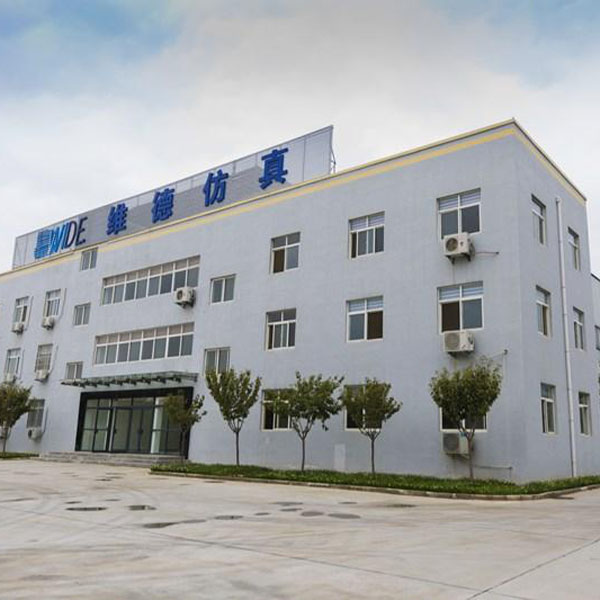
Xi'an Weide Aviation Simulation Equipment Co., Ltd. is a high-tech enterprise dedicated to the design, production, sales, and service of aviation simulation equipment.
Xi'an Weide Aviation Simulation Equipment Co., Ltd. is a high-tech enterprise dedicated to the design, production, sales, and service of aviation simulation equipment.
The cabin simulator (dynamic) for specific aircraft models can simulate aircraft taxiing, takeoff, cruise, turbulence, landing and various malfunctions. It is a special equipment for training flight attendants to correctly use onboard emergency equipment in emergency situations and to correctly and skillfully open various escape exits and guide passengers to evacuate the cabin quickly in accordance with the prescribed emergency evacuation procedures. The simulator motion platform adopts an all-electric motion platform, which has low energy consumption, simple installation, and low maintenance rate. At the same time, it has more realistic dynamic simulation, which can simulate the impact motion, vibration and continuous acceleration of six degrees of freedom: rise and fall, forward and backward, left and right displacement, pitch, roll and yaw. It can simulate the acceleration, deceleration, roll, impact and turbulence felt by the aircraft during taxiing, takeoff, cruise and emergency landing.
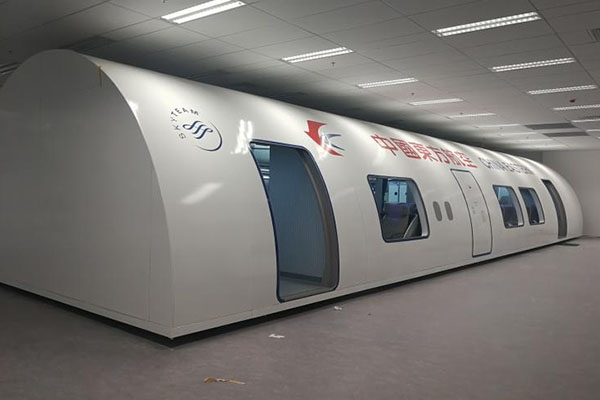
A specific aircraft cabin simulator (static) is a professional training device used to train flight attendants to perform cabin service correctly and to open all cabin doors and emergency doors of the aircraft in normal and emergency situations, and to guide passengers to evacuate the cabin quickly according to the prescribed emergency evacuation procedures.
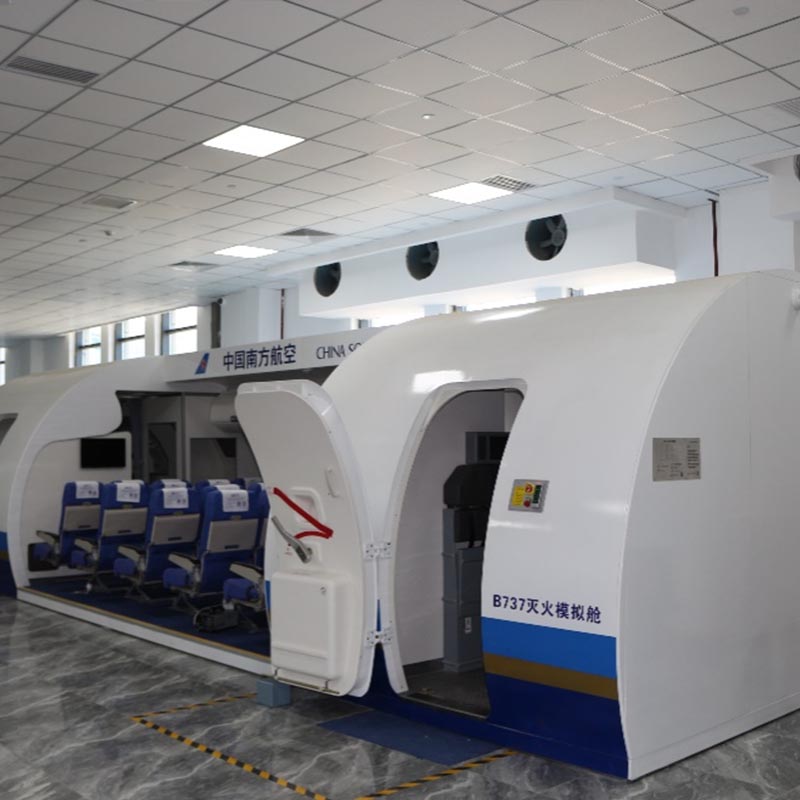
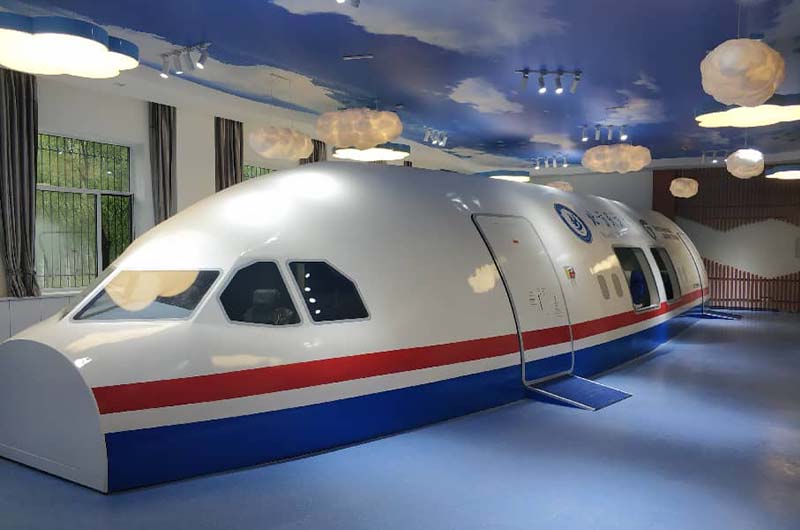
The cabin simulator (static integrated cabin) for specific aircraft models is a full cabin structure, consisting of four parts in length: the cockpit section, the front door section, the cabin section, and the rear door section. It is a special device for training flight attendants to help passengers correctly use onboard emergency equipment and to open various escape exits of the aircraft and guide passengers to evacuate quickly from the cabin in the event of an emergency.
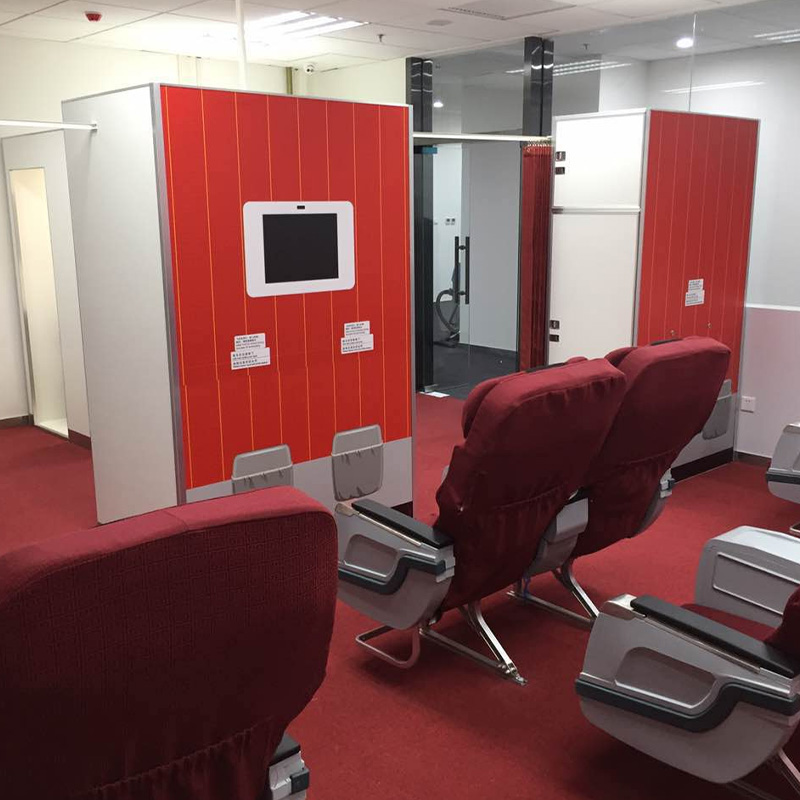
A simplified flight simulator cabin for a specific aircraft model simulates the fuselage above the floor line of the aircraft and realistically reflects the cabin layout of that aircraft model, including the galley, lavatory, and cloakroom. It is equipped with no fewer than 40 economy class passenger seats (the number of seat rows can be adjusted according to the size of the classroom) and corresponding aisles. It is a ground training device used to simulate aircraft flight attendants.
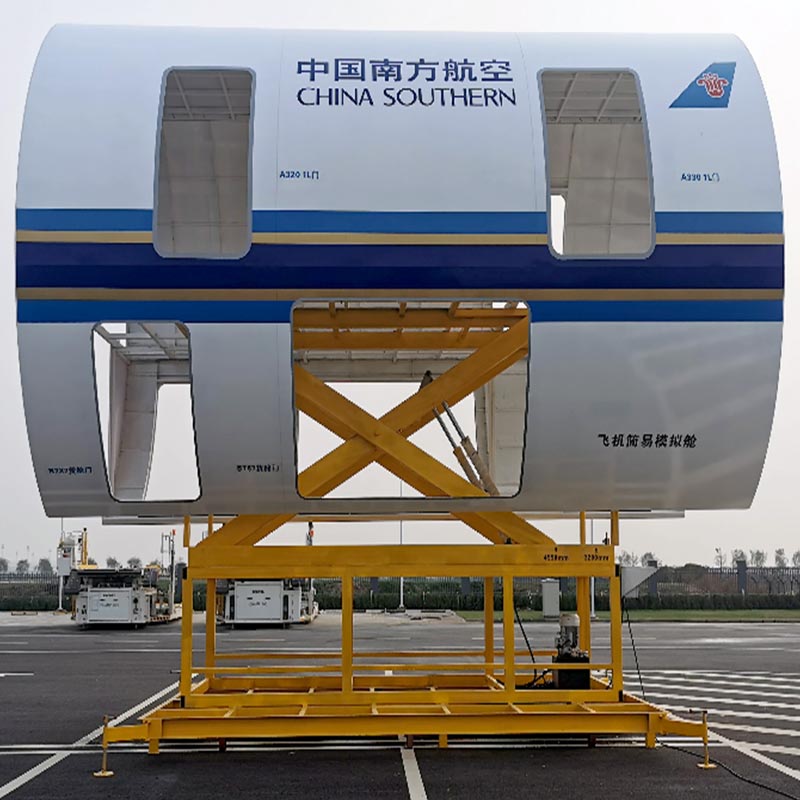
The simulator is used to train airport ground service personnel to operate special vehicles during flight layovers at the airport. The simulator uses a straight section of the aircraft as a reference point, with a hydraulic lifting platform at the bottom. By adjusting the height of the lifting platform, the height from the cabin floor axis to the ground simulates the parking height of different aircraft models.
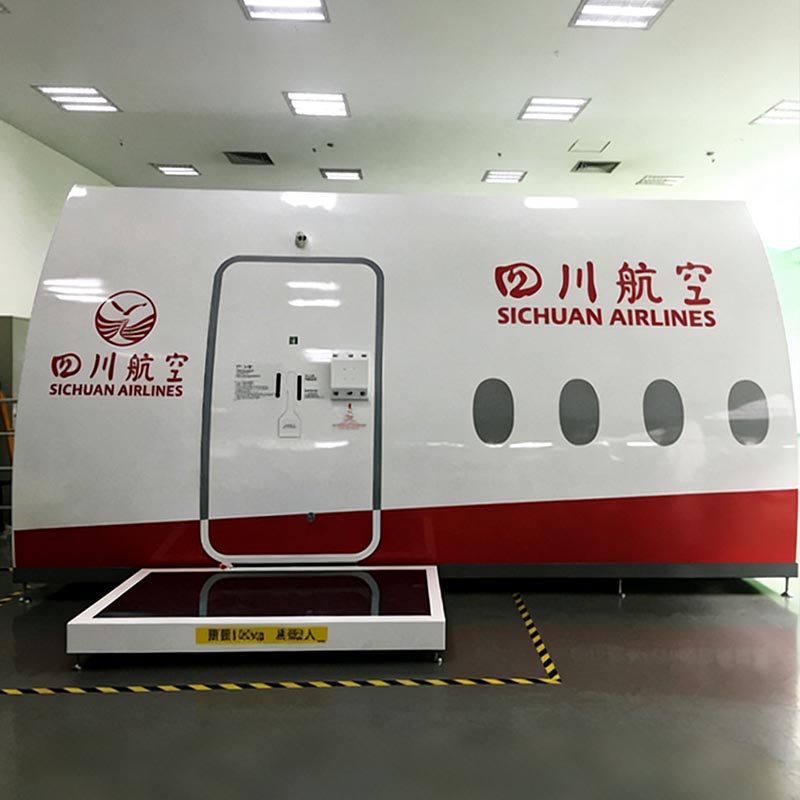
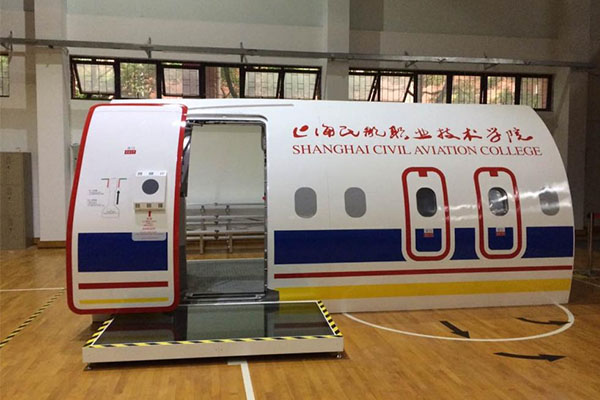
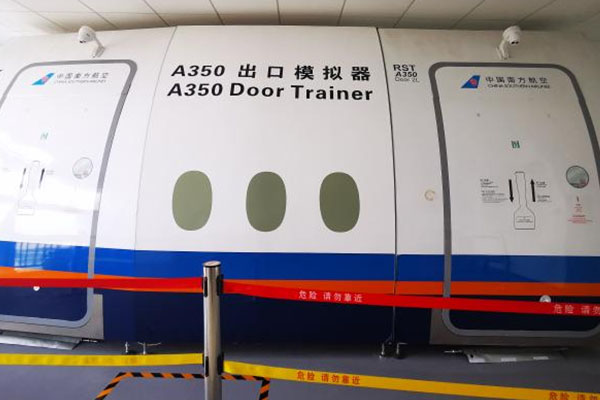
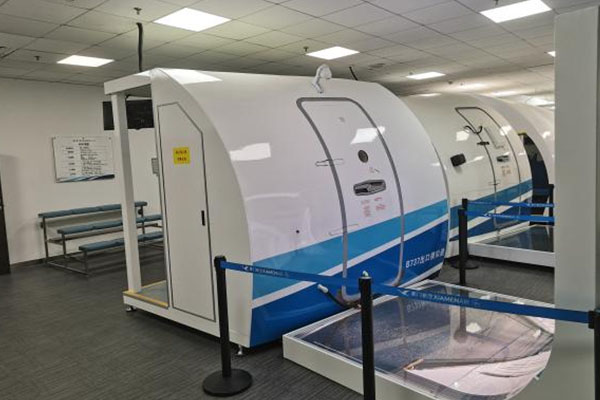
The specific aircraft exit simulator is a professional training device used by flight attendants to correctly and skillfully open the aircraft boarding door in both normal and emergency situations.
The cabin simulator (dynamic) for specific aircraft models can simulate aircraft taxiing, takeoff, cruise, turbulence, landing and various malfunctions. It is a special equipment for training flight attendants to correctly use onboard emergency equipment in emergency situations and to correctly and skillfully open various escape exits and guide passengers to evacuate the cabin quickly in accordance with the prescribed emergency evacuation procedures. The simulator motion platform adopts an all-electric motion platform, which has low energy consumption, simple installation, and low maintenance rate. At the same time, it has more realistic dynamic simulation, which can simulate the impact motion, vibration and continuous acceleration of six degrees of freedom: rise and fall, forward and backward, left and right displacement, pitch, roll and yaw. It can simulate the acceleration, deceleration, roll, impact and turbulence felt by the aircraft during taxiing, takeoff, cruise and emergency landing.
A specific aircraft cabin simulator (static) is a professional training device used to train flight attendants to perform cabin service correctly and to open all cabin doors and emergency doors of the aircraft in normal and emergency situations, and to guide passengers to evacuate the cabin quickly according to the prescribed emergency evacuation procedures.
The cabin simulator (static integrated cabin) for specific aircraft models is a full cabin structure, consisting of four parts in length: the cockpit section, the front door section, the cabin section, and the rear door section. It is a special device for training flight attendants to help passengers correctly use onboard emergency equipment and to open various escape exits of the aircraft and guide passengers to evacuate quickly from the cabin in the event of an emergency.
A simplified flight simulator cabin for a specific aircraft model simulates the fuselage above the floor line of the aircraft and realistically reflects the cabin layout of that aircraft model, including the galley, lavatory, and cloakroom. It is equipped with no fewer than 40 economy class passenger seats (the number of seat rows can be adjusted according to the size of the classroom) and corresponding aisles. It is a ground training device used to simulate aircraft flight attendants.
The specific aircraft exit simulator is a professional training device used by flight attendants to correctly and skillfully open the aircraft boarding door in both normal and emergency situations.
Fire extinguishing simulators for specific aircraft models are professional training devices used to train flight attendants to correctly use onboard fire extinguishing equipment and quickly extinguish real open flames in accordance with prescribed fire extinguishing procedures in the event of a fire on an aircraft.
An arson drill is a professional training device used to train security personnel to correctly use onboard fire extinguishing equipment and quickly extinguish real open flames in accordance with prescribed fire extinguishing procedures in the event of an aircraft fire.
The specific aircraft tactical simulation training cabin simulator is a professional security training device used to train security personnel to correctly and skillfully use all available equipment in the cabin to deal with emergencies that may occur on the aircraft in an emergency, as well as to train professional skills such as combat skills inside the cabin.
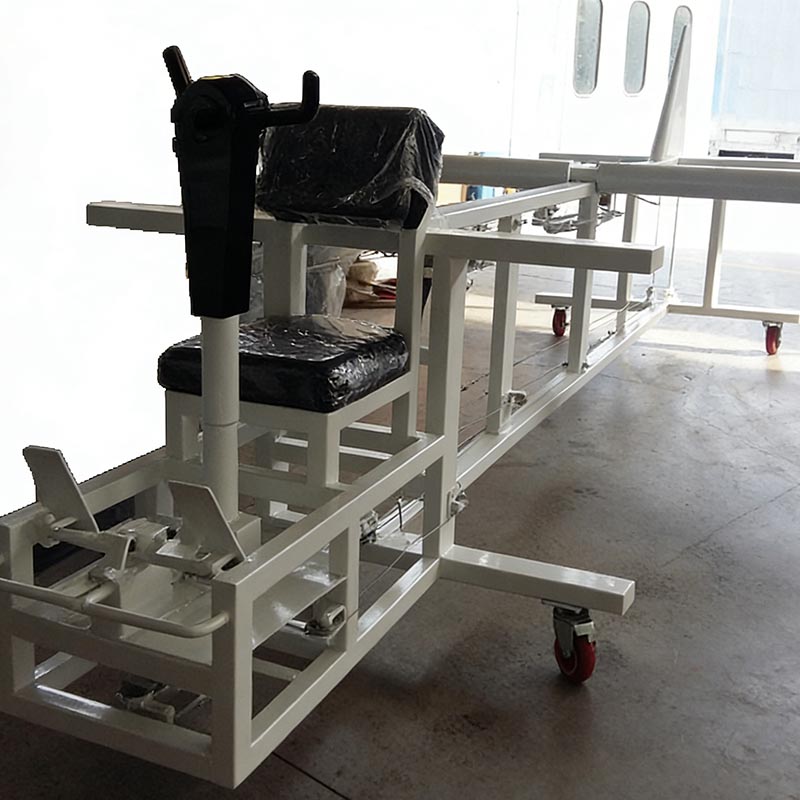
The equipment fully simulates the control system of a small general aviation aircraft. By using the control stick and foot pedals, the ailerons, elevators, and rudder of the aircraft can be controlled to achieve the basic flight attitudes of roll, pitch, and yaw. The simulation demonstration of this equipment can enable pilots and maintenance personnel to have a more intuitive understanding of the aircraft's attitude control principles, thereby achieving better driving and maintenance.
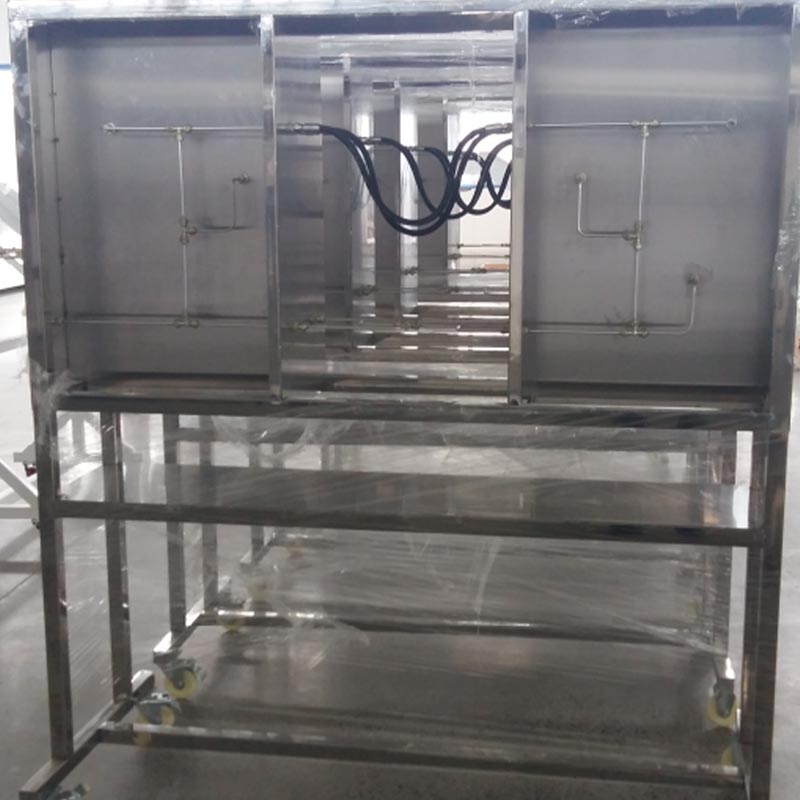
The piping installation practice rack is mainly used for practicing the fabrication and disassembly of aircraft piping. Through training in aircraft piping installation, trainees can gain a more intuitive understanding of the connection and composition of aircraft piping, especially the ability to identify, disassemble, and inspect piping.
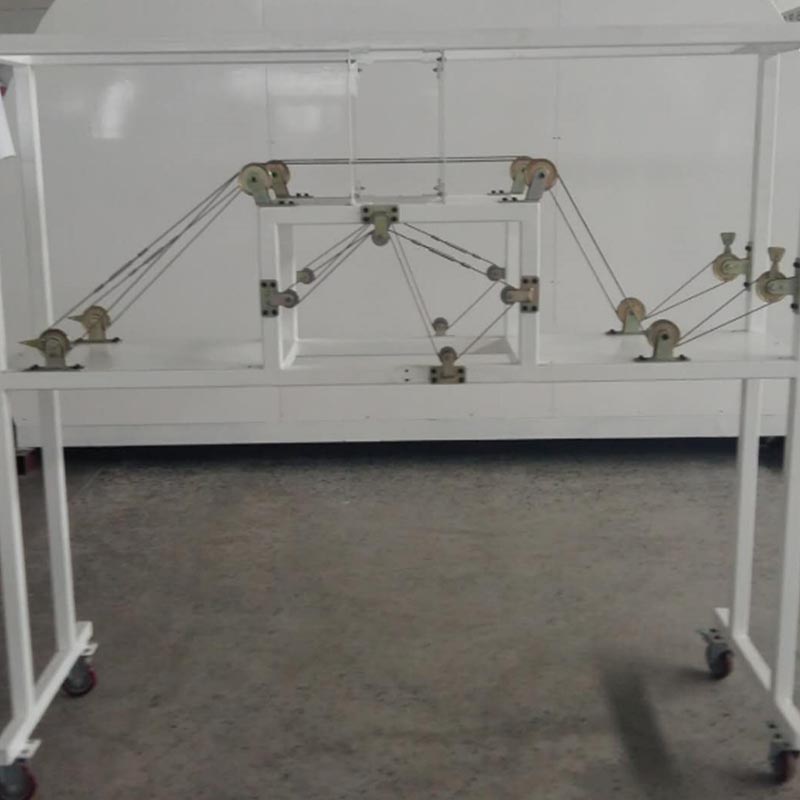
The cable tension adjustment training frame adjusts the cable tension by adjusting the tensioning sleeves and measures the cable tension using a tension meter. The cable primarily transmits pilot input to the control surfaces. It is typically connected to drums, sector discs, or tensioning sleeves via compression fittings. The tensioning sleeves are used to adjust the cable tension. When the cable is too long, pulleys are usually used for support; pulleys can also be used to change the direction of force transmission in the cable.
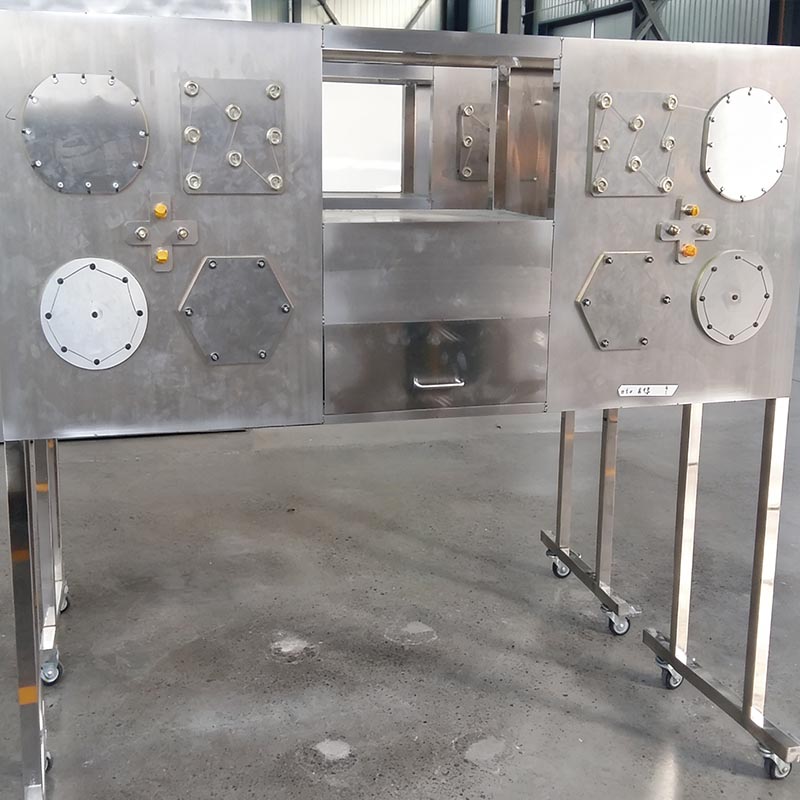
The cover and safety disassembly and assembly training rack is mainly used to train the disassembly and assembly of fasteners and safety devices carried when disassembling and assembling various common maintenance covers, inspection windows, instrument panels, etc. on aircraft.
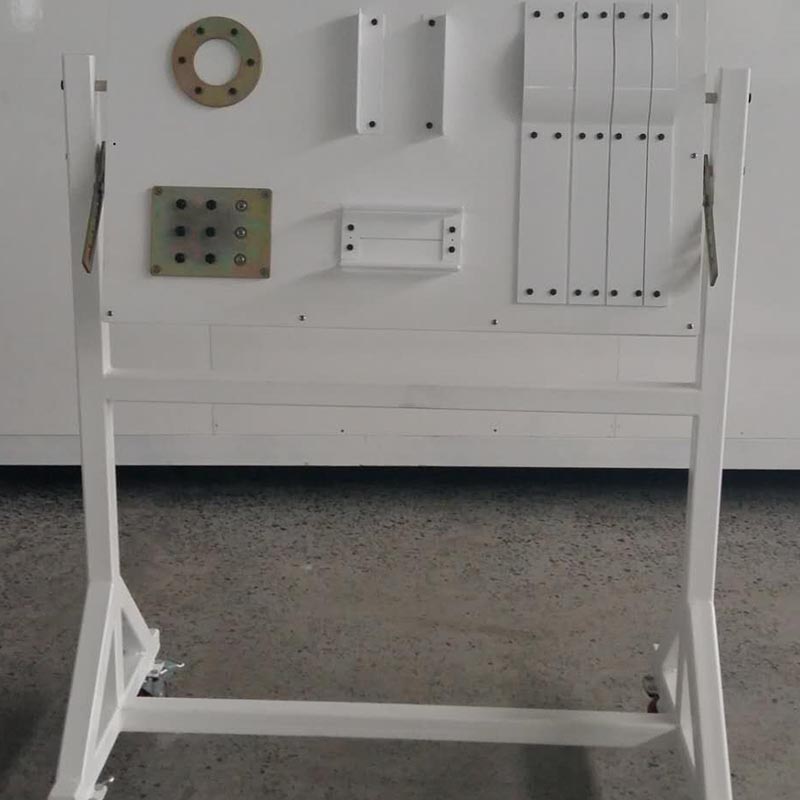
The sealing and corrosion protection training rack is designed for use in teaching and training in aviation system colleges and universities. The glue application practice rack is mainly used to train students on how to correctly master the key points and methods of glue application operation, and to improve students' glue application skills and abilities, and to provide necessary technical references for glue application training personnel.
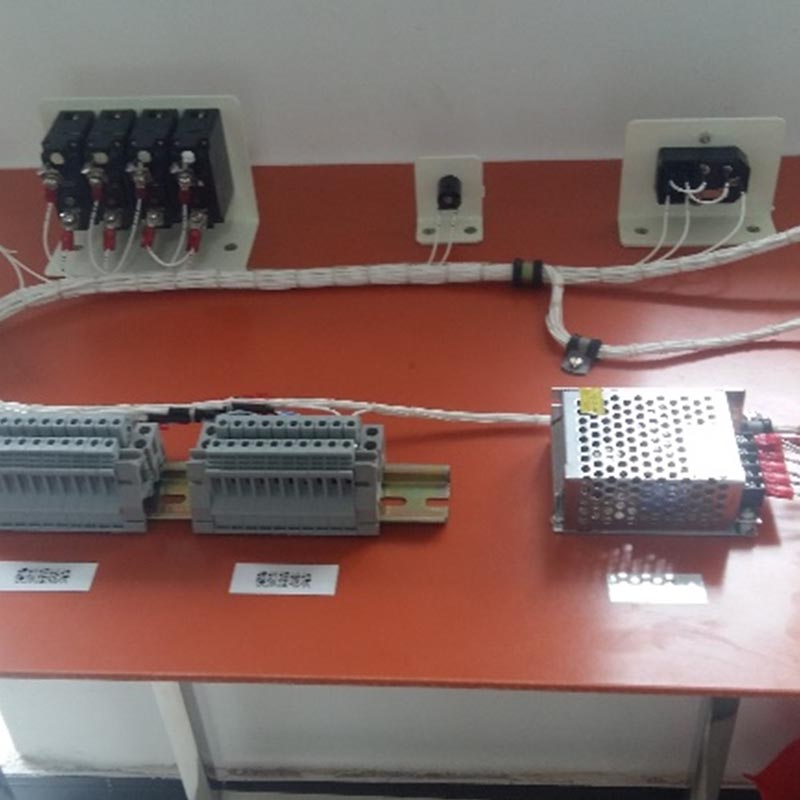
The integrated training frame for aviation line construction is manufactured according to aviation line construction standards and is used for integrated training in aviation line construction.
The simulator is used to train airport ground service personnel to operate special vehicles during flight layovers at the airport. The simulator uses a straight section of the aircraft as a reference point, with a hydraulic lifting platform at the bottom. By adjusting the height of the lifting platform, the height from the cabin floor axis to the ground simulates the parking height of different aircraft models.
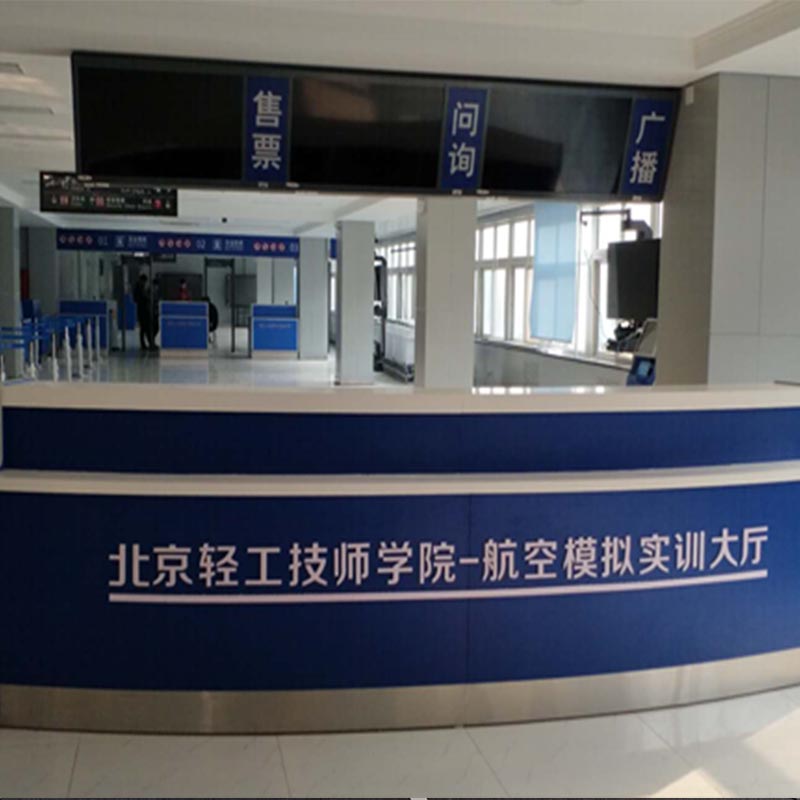
The civil aviation terminal ground service training system consists of: ticketing service, check-in service, security check service, boarding service, baggage service, voice announcements, and arrival and departure displays.

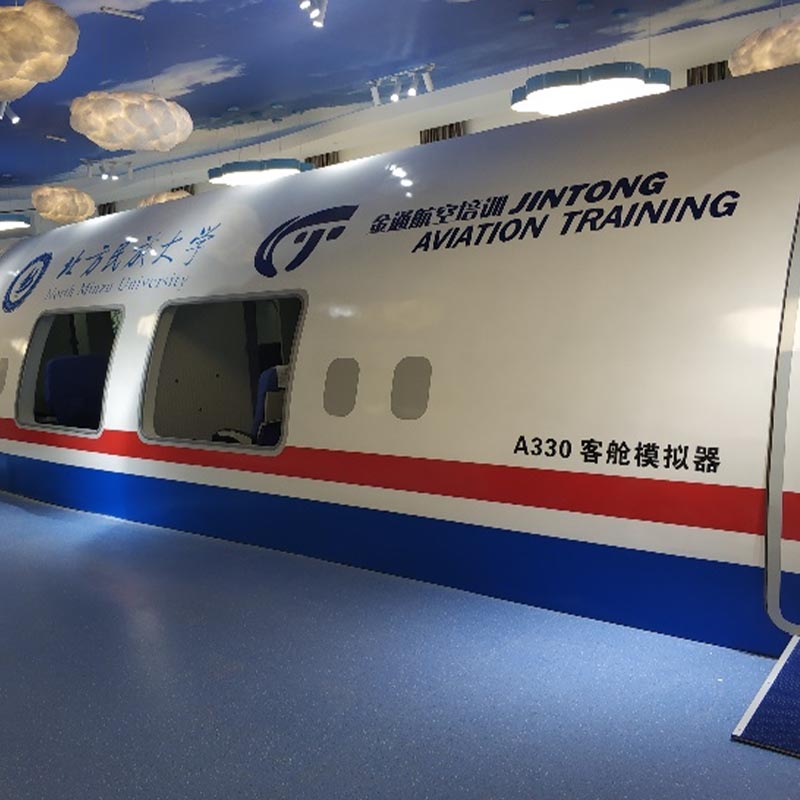
In addition, leading domestic education investment companies are also important strategic partners of our company. To help education investment institutions develop aviation training education sectors and create standardized training systems, our company combines its own professional advantages with the resources of investment institutions to provide customized aviation simulation training equipment with rich functions and strong practicality. This helps partner institutions enhance the competitiveness of their projects and promote the high-quality development of aviation vocational education. We have already established stable partnerships with several education investment companies. For details on the actual delivery, please see the photos below. 1. Beijing Guanghui Jintong Education Technology Co., Ltd. Delivered A330 cabin simulators to North Minzu University in 2020 Delivered A330 cabin simulators to Dalian Minzu University in 2020 Delivered A330 cabin simulators to Shenyang Aerospace University in 2020 Delivered A330 cabin simulators to Nanning Normal University in 2021 Delivered A330 cabin simulators to Weifang University of Science and Technology in 2021 Delivered A330 cabin simulators to Ningxia University of Science and Technology in 2021 Delivered A330 cabin simulators to Hebei University for Nationalities in 2021 Delivered A330 cabin simulators to Shanxi Normal University in 2022 2. Sichuan Zhongyuan Pan-American Education Investment Co., Ltd. B737-800 land evacuation training simulator delivered in 2020 2020 delivery of B737-800 cabin service simulators 3. Huafeng Aviation Education Investment (Jiangsu) Co., Ltd. B737-800 cabin simulator delivered to Wuxi Nanyang Vocational and Technical College in 2022 The B737-800 cabin simulator was delivered to the Huafeng Aviation Industry College of Wuxi City Vocational College in 2022. 4. Yunnan Leqi Aviation Co., Ltd. A320 tactical simulator delivered in 2019 5.Chongqing Yuxiang Aviation Flight Training Co., Ltd. A321neo ACF export simulator delivered in 2019
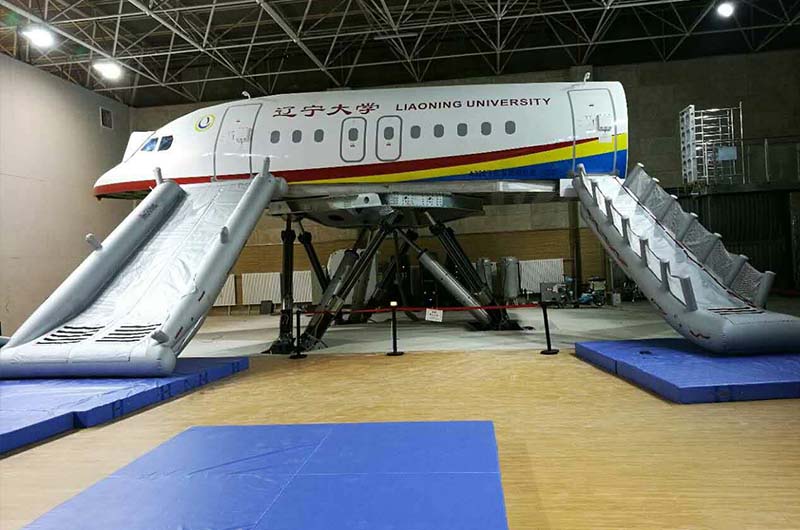
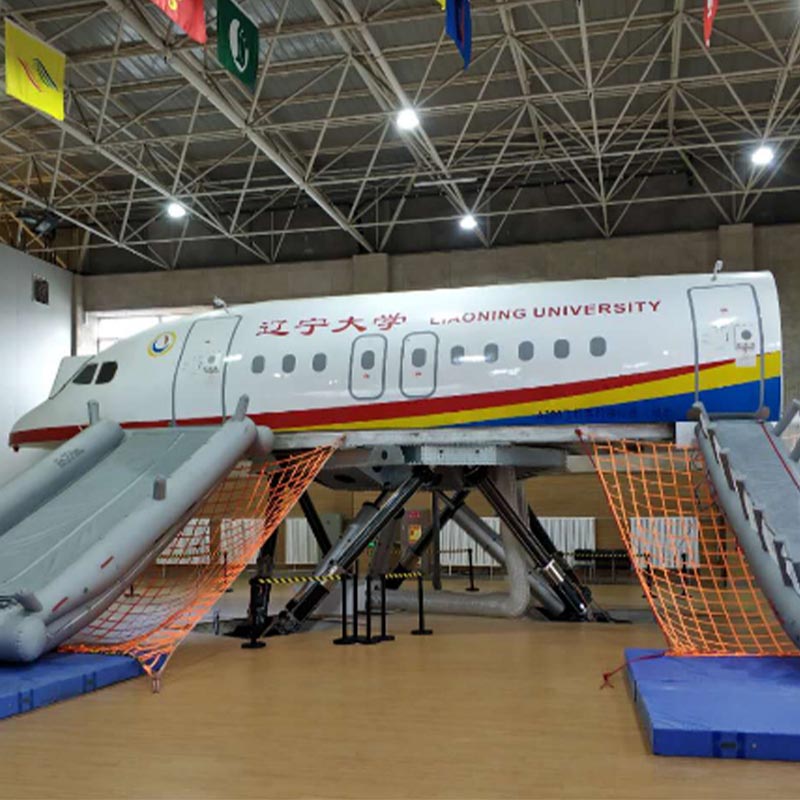
In addition to major airlines, our core clients include numerous aviation colleges and universities across China. To help these institutions cultivate high-caliber aviation professionals and enhance the professionalism of their practical training, we have partnered extensively with various aviation colleges and universities to provide customized, fully functional, highly practical, and realistic aviation simulation training equipment. We have already successfully delivered equipment to several aviation colleges and universities; see the real-world examples below. 1.Liaoning University Training Center Delivered A320 dynamic cabin in 2016 2. Zhejiang Yuying Vocational and Technical College Delivered A330 exit simulator in 2017 3. Shanghai Civil Aviation College Delivered A320 aircraft boarding gate/overwing exit trainer in 2017 Delivered A320 fire-fighting training cabin in 2017 4. Nanjing Tourism Vocational College Delivered A330-B777 cabin service training simulator in 2017 Export training simulators for B737-800 aircraft delivered in 2017 5. Shenzhen Technician College Delivered B737-800 aircraft cabin training simulators in 2017 A320 export simulator delivered in 2018 A320 fire extinguishing simulator delivered in 2018 B737 export simulator delivered in 2018 6. Xiangyang Automotive Vocational and Technical College B737/A320 cabin simulators delivered in 2019 7. Hebei Women’s Vocational and Technical College 2021 Delivery of B737A320 Cabin Service Training and Firefighting Simulator 8. Huanggang Normal University B737-800 cabin simulator to be delivered in 2023 9. Sichuan Southwest Aviation Vocational College A330 water training ground to be delivered in 2020 A321NX overwing export simulator to be delivered in 2024 10. Guangdong Zhaoqing Aviation Vocational and Technical College B737-800 cabin simulator to be delivered in 2023 11. Zhengzhou Industrial Technician College B737-800 cabin simulator to be delivered in 2023 12. Anhui Transportation Vocational College B737-800 export simulator to be delivered in 2024 B737-800 cabin training simulator to be delivered in 2024 13. Chongqing Hailian Vocational College A320 cabin simulator to be delivered in 2024 14. Nantong University of Science and Technology A320 cabin simulator to be delivered in 2025 B737-800 fire extinguishing simulator to be delivered in 2025 15.Chongqing Youth Vocational and Technical College c A320 cabin simulator to be delivered in 2025
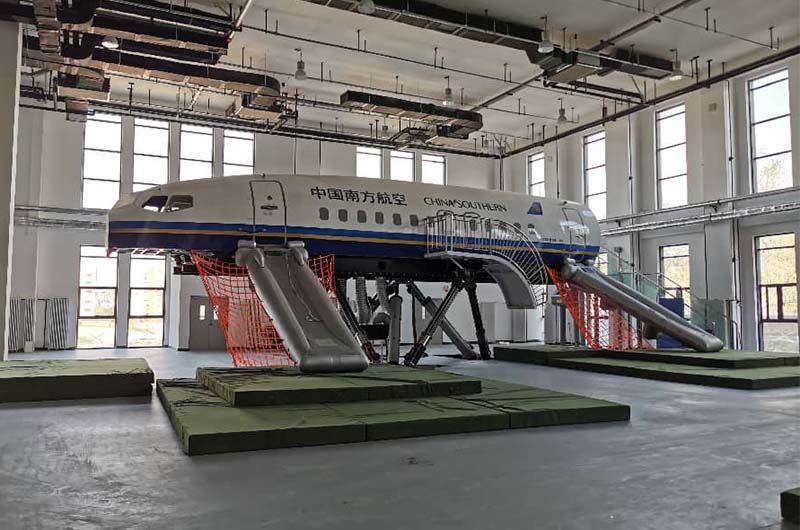
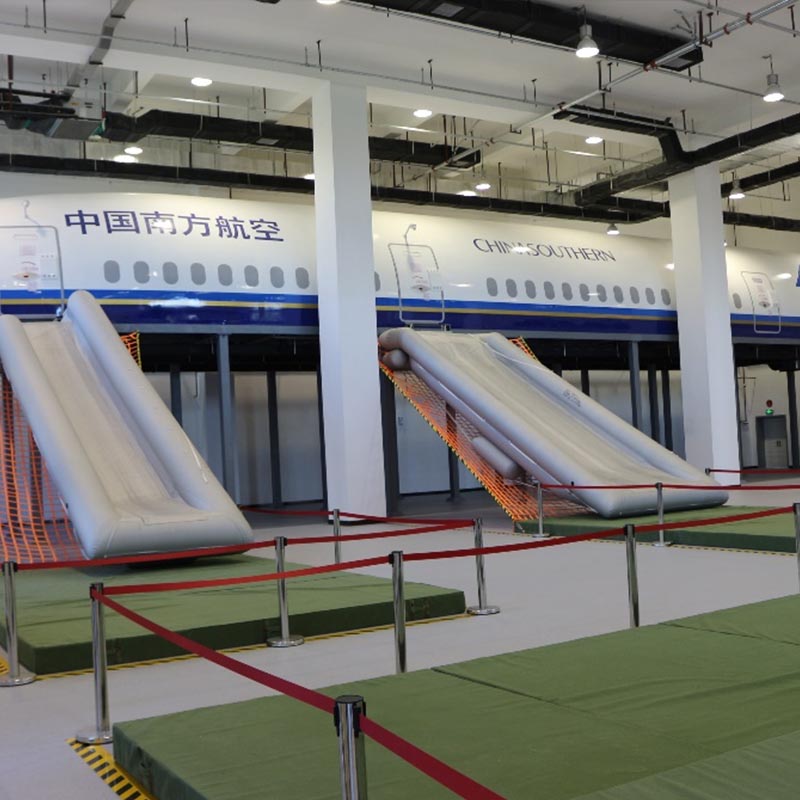
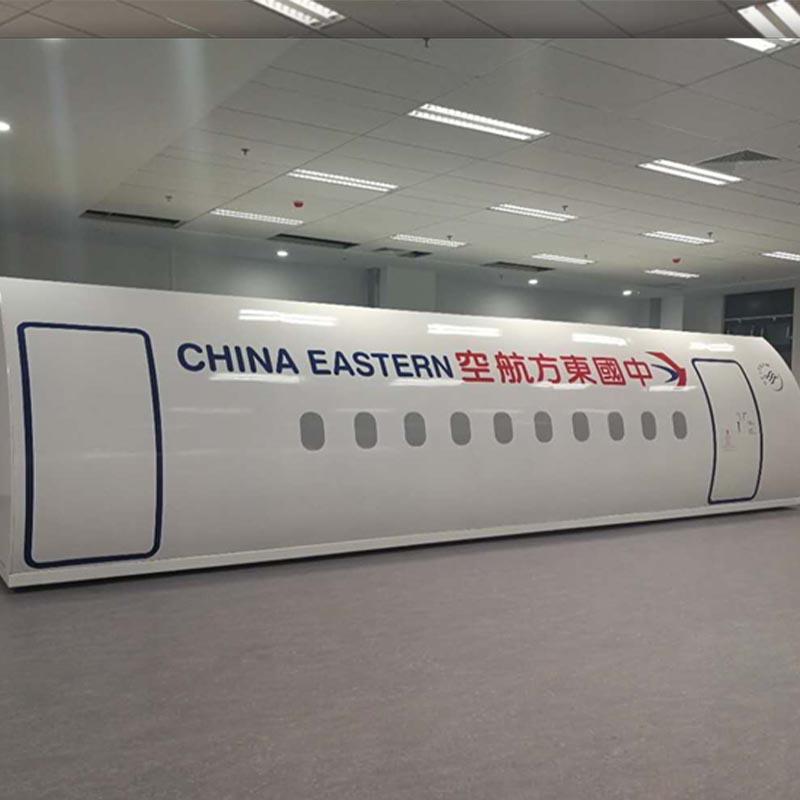
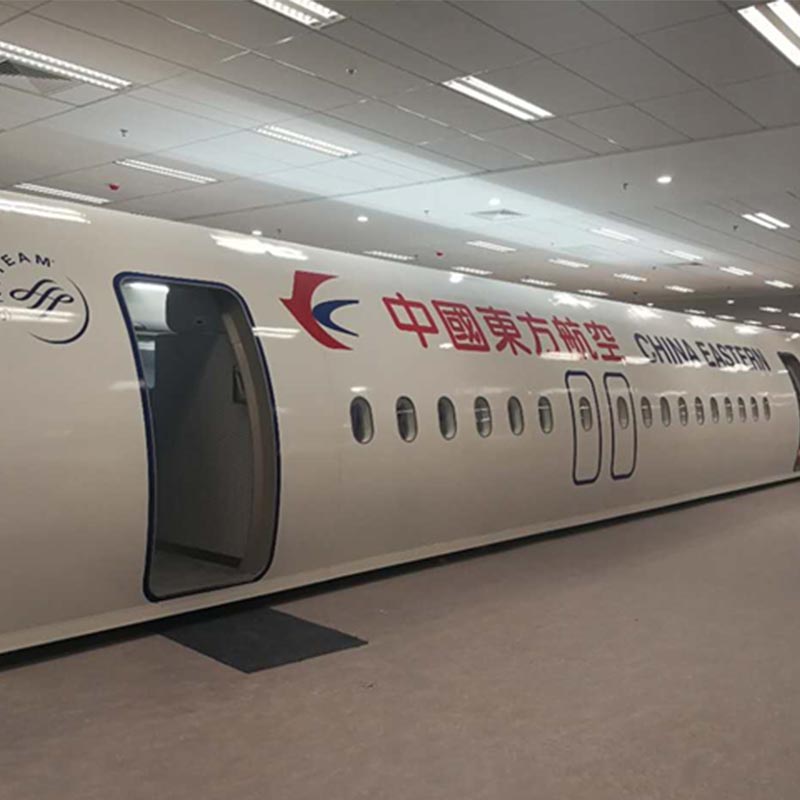
Since its establishment, our company has been deeply involved in the field of aviation training equipment and has established long-term and stable cooperative relationships with many mainstream airlines in China. We specialize in the research and development and production of various professional cabin crew aviation simulation training equipment. Our products are comprehensive and professionally designed, covering a full range of training facilities including dynamic cabin simulators, static cabin simulators, land evacuation simulators, emergency exit simulators, fire extinguishing simulators, water training simulators, and multi-functional exit simulators. These facilities can comprehensively meet the practical training needs of aviation personnel. See the images below for relevant real-world delivery photos. 1. China Southern Airlines Co., Ltd. B737 cabin simulator (animated) delivered to Xinjiang branch in 2019 2019 Delivery of B787 Cabin Simulator (Static) to Xinjiang Branch 2019 Delivery of B737 Fire Extinguishing Simulator to Xinjiang Branch 2019 Delivery of B737 Exit Simulator to Xinjiang Branch 2019 Delivery of A320 Exit Simulator to Xinjiang Branch 2019 Delivery of B787 Exit Simulator to Xinjiang Branch 2019 Delivery of A320 Overwing Exit Simulator (including skid plate) to Xinjiang Branch (Staircase) 2022 Delivery of B737-800 Cabin Simulator to China Southern Airlines Headquarters 2019 Delivery of Multi-functional Simple Simulator to Daxing Airport 2019 Delivery of A321NX Exit Simulator to China Southern Airlines Headquarters 2016 Delivery of A320 Cabin Simulator to Shanghai Branch 2017 Delivery of A320 Cabin Simulator to Chongqing Branch 2018 Delivery of A320 Cabin Simulator to Hainan Branch 2019 Delivery of A320 Fire Extinguishing Simulator to China Southern Airlines Headquarters A321 service cabin delivered to China Southern Airlines headquarters in 2022 A330 service cabins delivered to China Southern Airlines headquarters in 2022 Service cabin of B737 delivered to China Southern Airlines headquarters in 2022 Service cabin of B777 delivered to China Southern Airlines headquarters in 2022 A static B787 cabin simulator was delivered to China Southern Airlines headquarters in 2022. The A320 cabin simulator will be delivered to China Southern Airlines headquarters in 2022. A350 export simulator delivered to China Southern Airlines headquarters in 2022 2. China Eastern Airlines Corporation Limited 2017 Deliveries to Headquarters: A330 Business + Economy Service Training Cabin Simulator 2017 Deliveries to Headquarters: A320 Tactical Simulation Training Cabin Simulator 2017 Deliveries to Headquarters: A320 with Overwing Exit Simulator (Cabin Crew) 2017 Deliveries to Headquarters: A330 1L & 3L Exit Simulator (Cabin Crew) 2017 Deliveries to Headquarters: B737-800 with Overwing Exit Simulator (Cabin Crew) 2017 Deliveries to Headquarters: A330 Fire Extinguishing Trainer 2017 Deliveries to Headquarters: A321 & A319 1L & 3L Exit Simulator (Security) 2017 Deliveries to Headquarters: A330 1L & 3L Exit Simulator 2017 Deliveries to Headquarters B737-800 with overwing exit simulator (security category) 2017 Delivery to Headquarters: A320 arson training simulator 2017 Delivery to Headquarters: A320 arson training simulator 2018 Delivery to Northwest Branch: A320 exit training simulator 2018 Delivery to Northwest Branch: A320 cabin training simulator 2018 Delivery to Northwest Branch: A321 exit training simulator 2018 Delivery to Northwest Branch: A330 exit training simulator 2025 Delivery: A321neo overwing exit simulator 3. Sichuan Airlines Group Education Technology Co., Ltd. (formerly known as Sichuan Airlines Training Center) Delivered A350 cabin simulator (dynamic) in 2024 A350 export simulator delivered in 2018 A350 export simulator delivered in 2018 A321 export simulator delivered in 2021 4. Xiamen Airlines Co., Ltd. Delivery of A321 cabin simulator in 2024 Delivery of B737 door trainer in 2016 Delivery of B737 exit simulator in 2024 Delivery of A320 exit simulator in 2024 Delivery of B787 water training exit simulator in 2024 Delivery of B787 exit simulator in 2025 Delivery of B737 overwing exit simulator in 2025 5. Changlong (Hangzhou) Aviation Simulator Training Co., Ltd. Delivered A320I door exit simulator (L-screen) in 2023 Delivered A321C door exit simulator (L-screen) in 2023 Delivered A321 cabin static simulator in 2023 6. Shandong Airlines Co., Ltd. Delivered B737-800 exit simulator in 2022 7. Shenzhen Airlines Co., Ltd. Delivered A330 exit simulator in 2018 8. Tianjin Airlines Co., Ltd. Delivered A321-200 C-type door training simulator in 2018 9. Okay Airways Co., Ltd. Delivered B737-900ER exit simulator in 2022 10. Jiangxi Airlines Co., Ltd. Delivered B737-800 exit simulator in 2024 11. Dadao Aviation Services (Hebei) Co., Ltd. Delivery of B737-800 cabin simulator (animated) in 2024
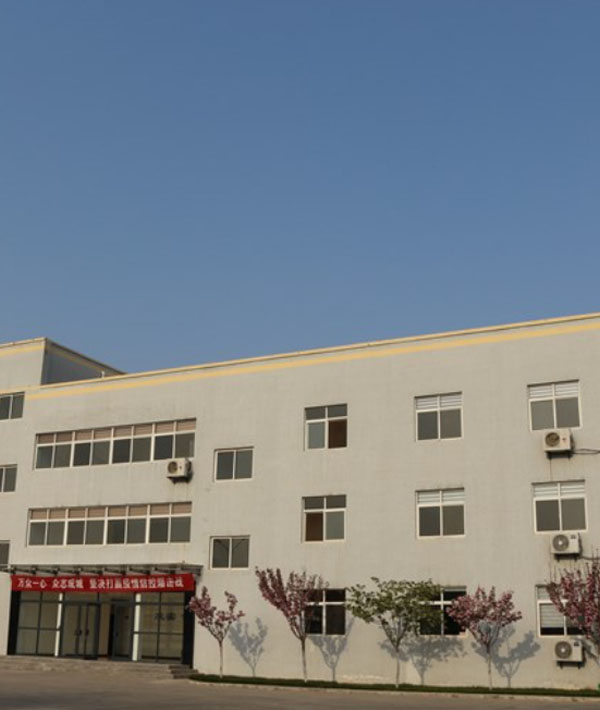
Xi'an Weide Aviation Simulation Equipment Co., Ltd. is a high-tech enterprise dedicated to the design, production, sales, and service of aviation simulation equipment. Its main products are various simulation equipment for cabin crew, air security, and aircraft maintenance. The company has established strong partnerships with major airlines (such as China Eastern Airlines, China Southern Airlines, and Xiamen Airlines) and higher education institutions (such as Beijing Founder Software Technology College, Liaoning Civil Aviation Training Center Co., Ltd., and Chongqing Hailian Vocational and Technical College). The company was registered in December 2014 in the Yanliang National Aviation High-Tech Industrial Base in Xi'an, with a registered capital of 60 million RMB and a land area of 16,000 square meters. The office area is 2,200 square meters, the factory area is 5,260 square meters, the flight simulator workshop is 1,000 square meters, and two full-motion flight simulator parking spaces are reserved. Based on its simulation technology system, the company aims to develop into a comprehensive service provider in the field of vocational education and training for the transportation industry, including aviation and rail transit, by manufacturing and providing related services for vocational training equipment.
Years Experience
m² Flight simulator factory
m²Total area of office buildings, R&D buildings and production plants
The company's total land area