Xi'an Weide Aviation Simulation Equipment Co., Ltd. is a high-tech enterprise dedicated to the design, production, sales, and service of aviation simulation equipment.

What We Do

No matter what your automotive needs may be, we're here to help.
Various aviation colleges

Various aviation colleges

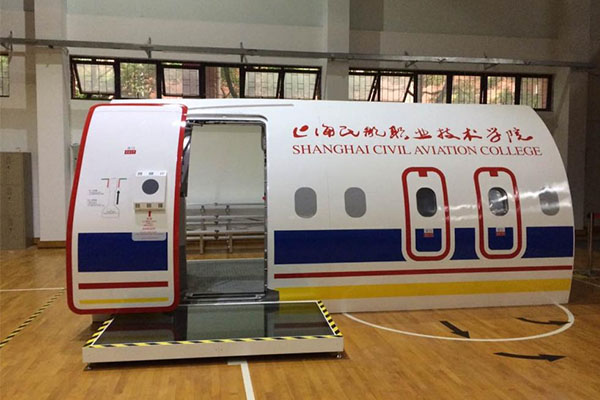
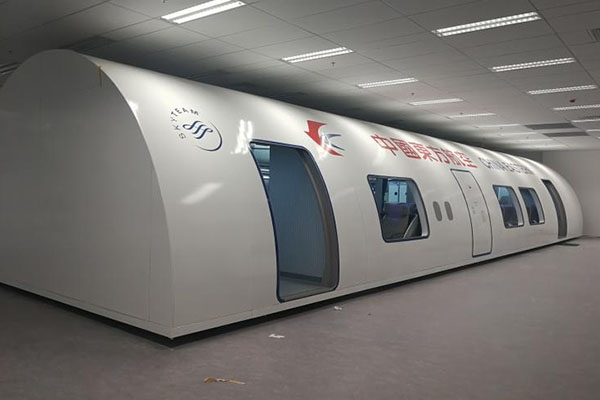
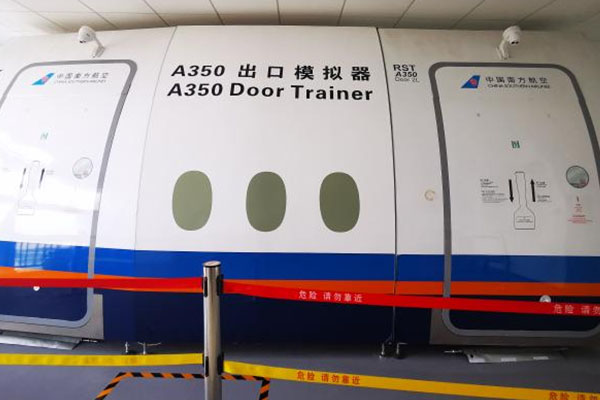
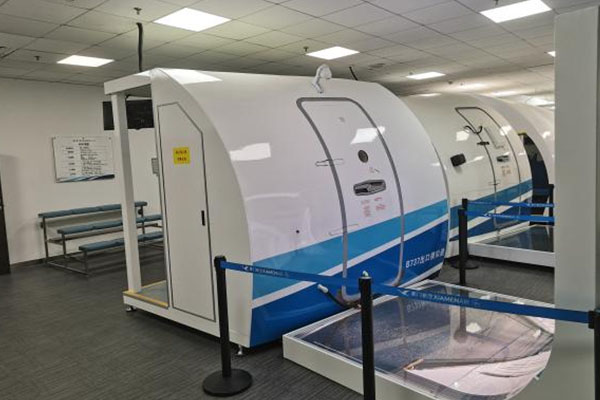
  Shanghai Civil Aviation College A320 Cabin Simulator     Zhejiang Yuying College A330 Exit Simulator     Nanjing Tourism Vocational College A330-B777 Cabin Service Training Simulator     Nanjing Tourism Vocational College B737-800 Aircraft Exit Training Simulator     Shenzhen Technician College B737-800 Cabin Simulator     Shenzhen Technician College A320 Exit Simulator     Shenzhen Technician College B737 Exit Simulator     Xiangyang Automotive Vocational and Technical College B737/A320 Cabin Simulator   Guanghui Jintong—North Minzu University A330 Cabin Simulator     Guanghui Jintong—Shenyang Aerospace University A330 Cabin Simulator     Guanghui Jintong—Nanning Normal University A330 Cabin Simulator     Guanghui Jintong—Weifang Institute of Technology A330 Cabin Simulator     Guanghui Jintong—Ningxia Institute of Technology A330 Cabin Simulator     Guanghui Jintong—Heihe University A330 Cabin Simulator Hebei Women’s Vocational and Technical College B737/A320 Cabin Service Training/Firefighting Simulato     Zhengzhou Industrial Technician College B737-800 Land Evacuation Simulator     Sichuan Southwest Aviation Vocational College A330 Water Training Ground     Pan-American Education Group B737-800 Cabin Simulator (Static)     Huanggang Normal College B737-800 Cabin Service Simulator     Wuxi Nanyang Vocational and Technical College B737-800 Cabin Simulator     Pan-American Education Group B737-800 Cabin Service Simulator     Anhui Transportation Vocational and Technical College B737-800 Cabin Training Simulator     Anhui Transportation Vocational and Technical College A320, B737-800 Exit Simulator     Chongqing Hailian Vocational and Technical College A320 Cabin Simulator     Nantong Polytechnic College A320 Cabin Simulator     Nantong Polytechnic College B737-800 Firefighting Simulator

FAQ

Frequently Asked Questions

faq
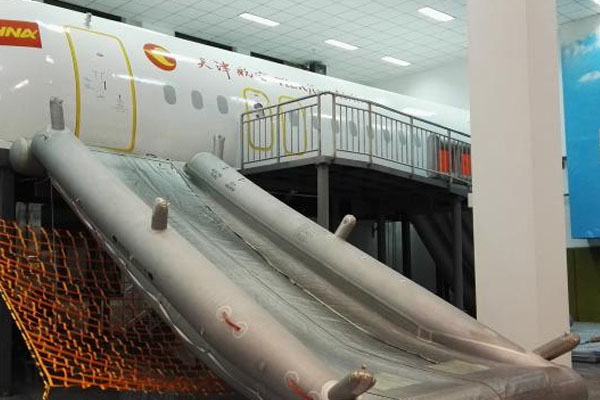
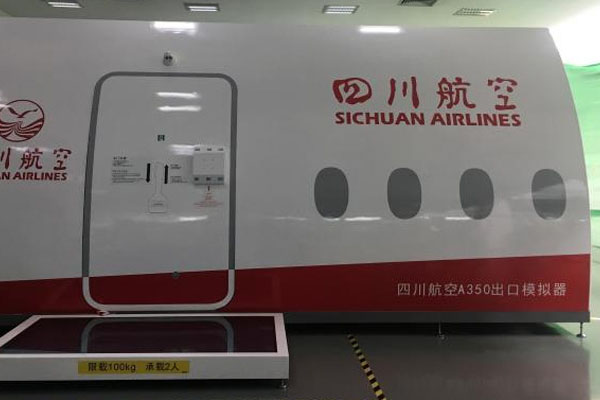
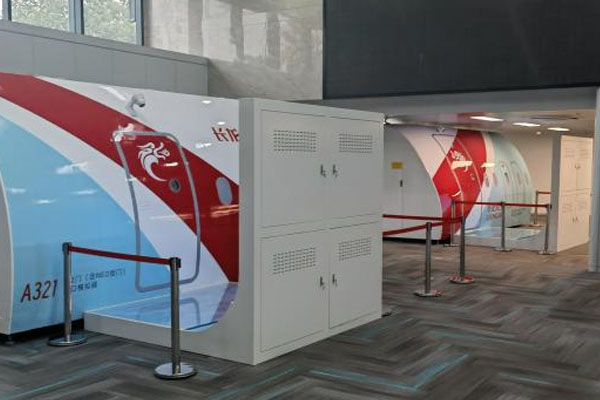
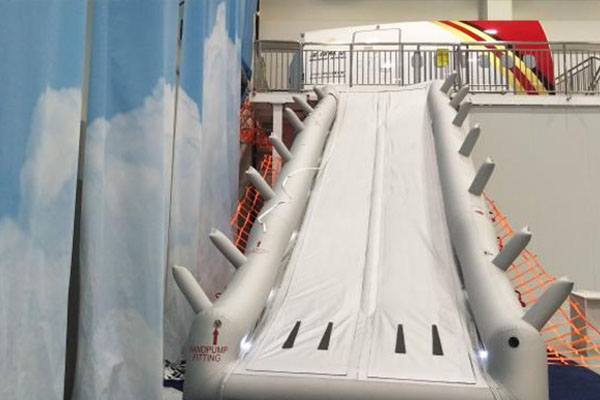
1. Cabin simulator (dynamic and static) 2. Exit simulator (floor-level exits and off-floor exits) 3. Fire extinguishing simulator 4. Water training range
The dynamic function should be able to dynamically simulate the aircraft's attitude during takeoff, descent, turbulence, and emergency landing, with at least three degrees of freedom: vertical, roll, and pitch, and a vertical acceleration of at least 0.5G.
Around 15 million
All of the above are domestically produced.
6 months
Cockpit, functional doors, crew seats, passenger seats, galley, lavatory, luggage compartments, PSU, slides, lighting control, communication systems, emergency equipment, visual systems, audio systems, fire suppression systems, training systems, and monitoring systems.
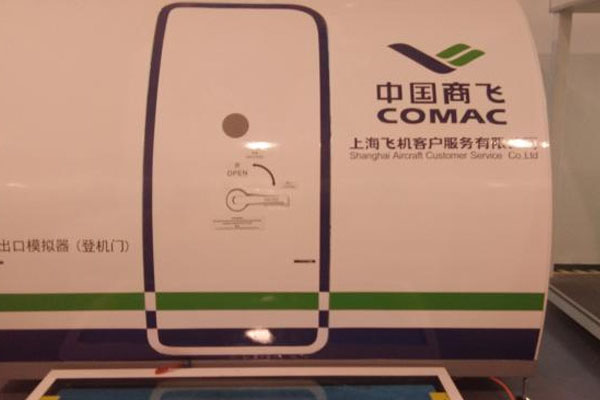
It is a proportional replica of the cabin doors and emergency exits of a specific aircraft model. Its appearance, structure, dimensions, and operation should be consistent with the simulated aircraft model, including the necessary equipment and support procedures for the cabin doors and emergency exits, as well as the viewing system of the cabin door observation windows. The surrounding environment of the exits (such as signs, auxiliary handles, warning tapes, directional signs, evacuation direction arrows, etc.) should be consistent with the simulated aircraft model.
The fire simulator should be able to simulate the appearance of a real fire source. It should have a certain temperature (40℃-45℃ recommended). It should be able to simulate the smoke emitted by a real fire source. It should use fire extinguishing equipment consistent with the aircraft model being simulated, extinguishing the fire through high-pressure air blowing or electronic induction. The real or simulated fire source and the fire simulator must be in the same space. It should include equipment such as a galley, lavatory, passenger seating facilities, and non-functional passenger service components found in the cabin unit of the aircraft model being simulated.
The water area must be at least 15 x 15 meters in size and at least 1.5 meters deep. (Inclusive) Water temperature not lower than 26℃. Water quality meets national health standards. Amenities include changing rooms and temperature-adjustable showers. Equipment and facilities for other purposes cannot be installed simultaneously. Equipped with at least 5 rows of passenger seats and corresponding aisles, as well as emergency equipment storage areas. Crew members can access the water training area via cabin simulator or exit simulator and undergo training required for water landings and watercraft/life raft operations.
Products
Contacts
WhatsApp
Email