W e l c o m e t o X i ' a n V a d e r A v i a t i o n S i m u l a t o r C o . , L t d .
Loading
Xi'an Weide Aviation Simulation Equipment Co., Ltd. is a high-tech enterprise dedicated to the design, production, sales, and service of aviation simulation equipment.
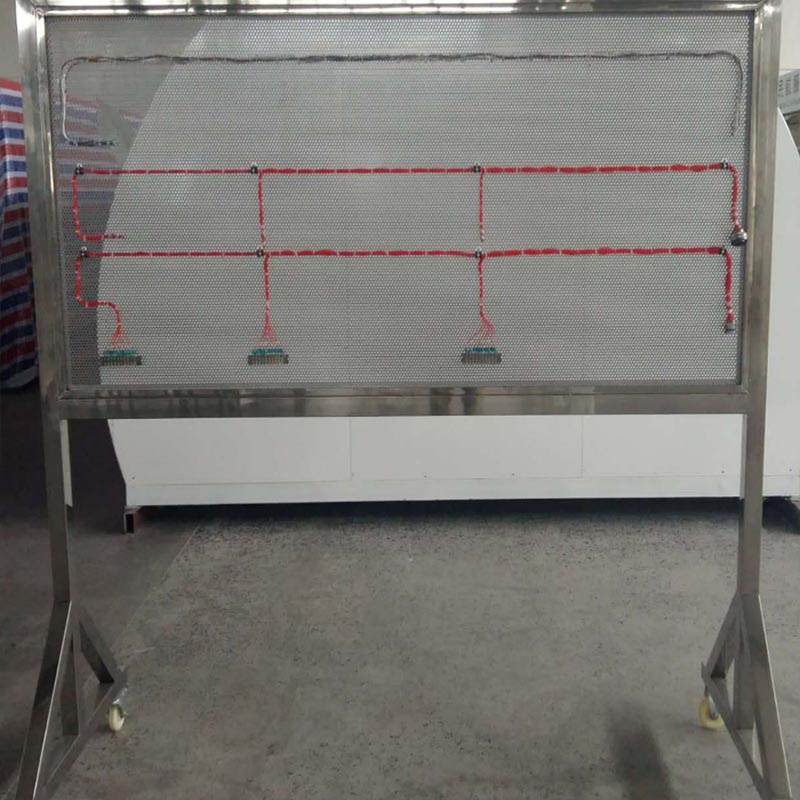
The cable laying practice frame is mainly designed for trainees to practice the bundling methods and laying techniques of aviation cables. It can also be used for continuity testing and daily maintenance training of cable bundles, thereby improving trainees' learning interest and hands-on ability, and enhancing their understanding of theory and practice.
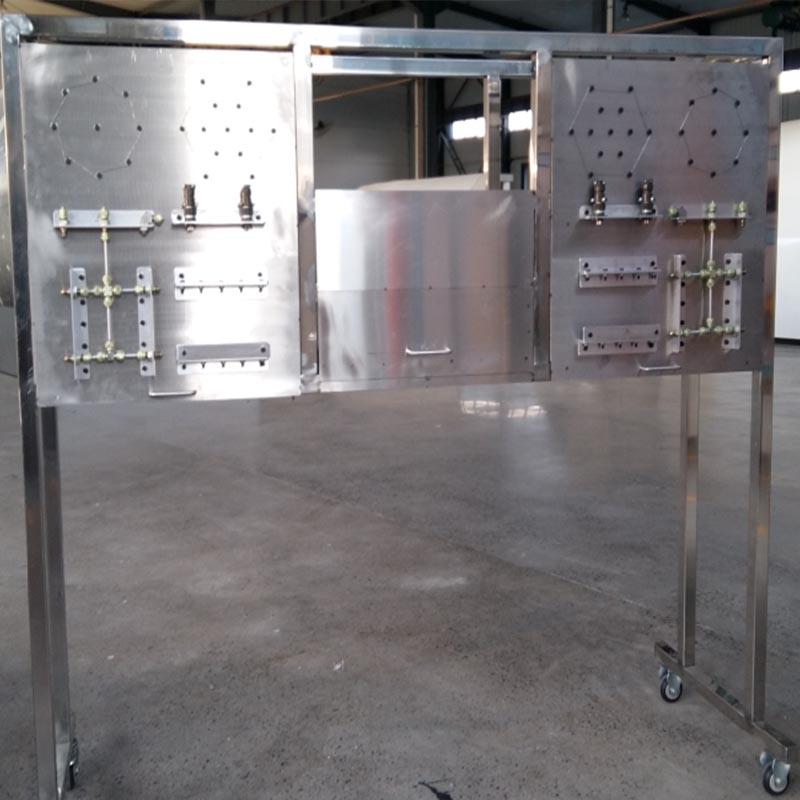
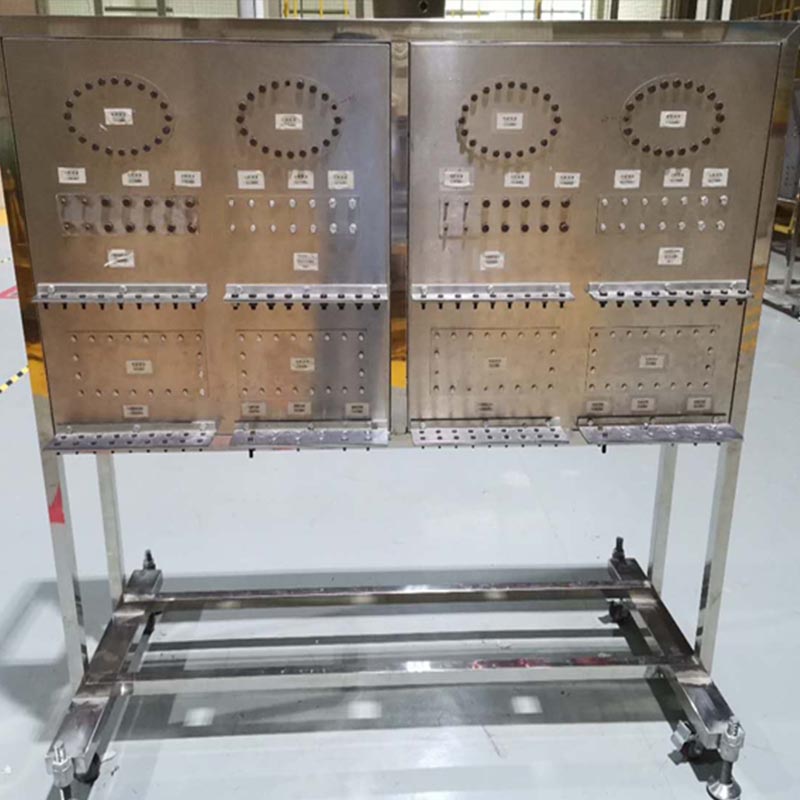
Fastener and fuse training rack, the panel can be freely rotated to adjust the height, can train on fuse items such as pipe joints and cable plugs, and can meet the simultaneous training of 4 workstations at the front and back.
The fastener assembly and disassembly training rack has panels including twelve-sided imperial bolts, hexagonal imperial bolts, socket head cap screws, slotted and Phillips head screws, and simulated assembly and disassembly parts. It can train on fastener assembly and disassembly, torque application, and other items. It can simultaneously support four workstations for training.
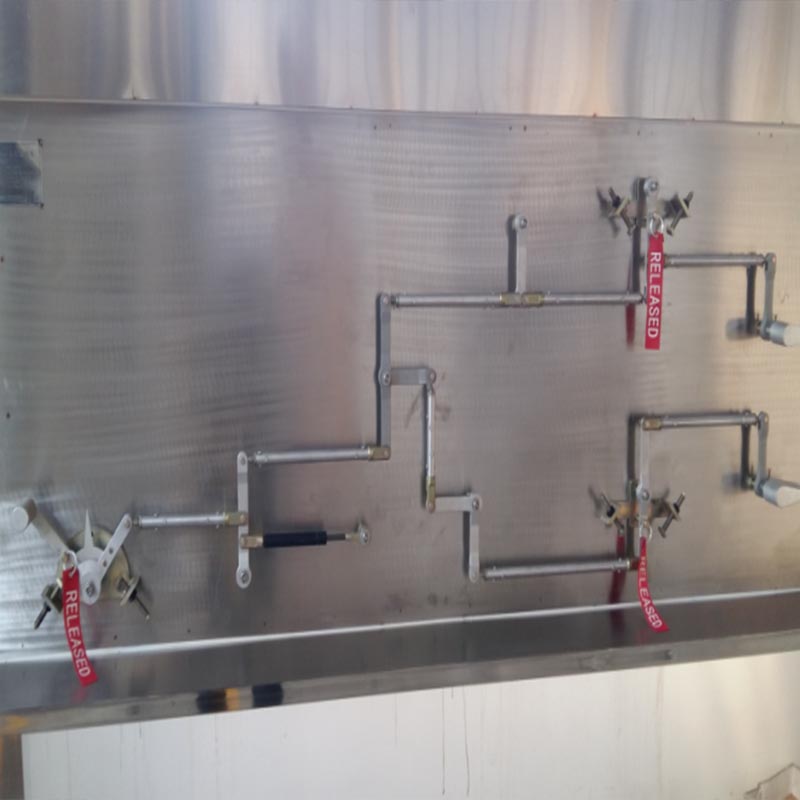
The push-pull rod training frame includes single rocker arms, double rocker arms, triangular rocker arms, compound rocker arms, and motion limiting devices. It can train push-pull rods in disassembly, assembly, adjustment, limiting, and positioning. It can also be used for theoretical teaching of rocker arm force changes in magnitude, direction, and speed.
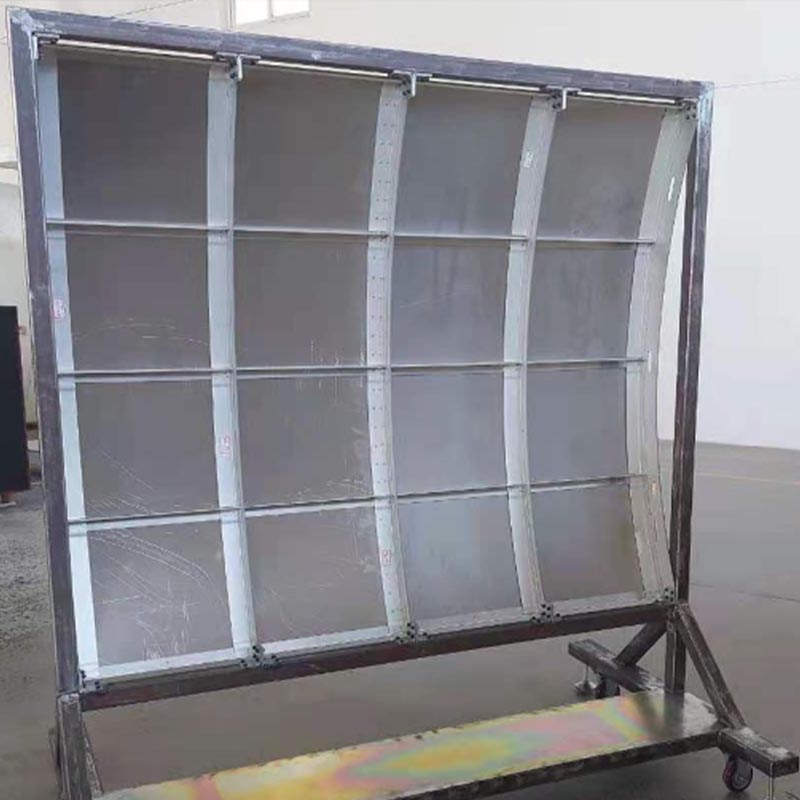
The sheet metal and riveting training frame, modeled after the structure of an aircraft stringer and frame beam, uses mortise and tenon joints for practicing riveting and repairing outer skin panels.
1. Cabin simulator (dynamic and static)
2. Exit simulator (floor-level exits and off-floor exits)
3. Fire extinguishing simulator
4. Water training range
The dynamic function should be able to dynamically simulate the aircraft's attitude during takeoff, descent, turbulence, and emergency landing, with at least three degrees of freedom: vertical, roll, and pitch, and a vertical acceleration of at least 0.5G.
Around 15 million
All of the above are domestically produced.
6 months
Cockpit, functional doors, crew seats, passenger seats, galley, lavatory, luggage compartments, PSU, slides, lighting control, communication systems, emergency equipment, visual systems, audio systems, fire suppression systems, training systems, and monitoring systems.
It is a proportional replica of the cabin doors and emergency exits of a specific aircraft model. Its appearance, structure, dimensions, and operation should be consistent with the simulated aircraft model, including the necessary equipment and support procedures for the cabin doors and emergency exits, as well as the viewing system of the cabin door observation windows. The surrounding environment of the exits (such as signs, auxiliary handles, warning tapes, directional signs, evacuation direction arrows, etc.) should be consistent with the simulated aircraft model.
The fire simulator should be able to simulate the appearance of a real fire source.
It should have a certain temperature (40℃-45℃ recommended).
It should be able to simulate the smoke emitted by a real fire source.
It should use fire extinguishing equipment consistent with the aircraft model being simulated, extinguishing the fire through high-pressure air blowing or electronic induction.
The real or simulated fire source and the fire simulator must be in the same space.
It should include equipment such as a galley, lavatory, passenger seating facilities, and non-functional passenger service components found in the cabin unit of the aircraft model being simulated.
The water area must be at least 15 x 15 meters in size and at least 1.5 meters deep.
(Inclusive) Water temperature not lower than 26℃. Water quality meets national health standards. Amenities include changing rooms and temperature-adjustable showers. Equipment and facilities for other purposes cannot be installed simultaneously.
Equipped with at least 5 rows of passenger seats and corresponding aisles, as well as emergency equipment storage areas. Crew members can access the water training area via cabin simulator or exit simulator and undergo training required for water landings and watercraft/life raft operations.
Contact Us
Sign Up and Never Miss a Deal Again
Xi'an Weide Aviation Simulation Equipment Co., Ltd. is a high-tech enterprise dedicated to the design, production, sales, and service of aviation simulation equipment. Its main products are various simulation equipment for cabin crew, air security, and aircraft maintenance.